Selected 2027 transit windows relevant to paternal and authority themes
| Date | Transit | Possible theme |
|---|
| February 4, 2027 | Venus enters Capricorn | Relating through duty, earned trust, slow-built closeness |
| March 27, 2027 | Venus enters Pisces | Softer boundaries, risk of over-giving to feel secure |
| July 27, 2027 | Jupiter enters Virgo | Growth through routine, correcting old perfectionism |
| September 3, 2027 | Mars enters Scorpio | Intensity around control, trust, and old power dynamics |
| November 26, 2027 | Mars enters Capricorn | Direct confrontation with authority and self-discipline |
The table above lists five transit windows across 2027. None of them cause a repeat of old paternal dynamics on their own. They simply tend to bring existing material closer to the surface, where it becomes easier to notice.
## What Can You Do With This Awareness?
Naming a pattern is not the same as fixing it, and no chart reading promises that an old wound will close on a set date. What a chart can offer is a clearer map of where the pattern sits and what it has been protecting.
A pattern like overworking to earn love, or avoiding authority figures entirely, usually started as a smart response to a real situation. It made sense once. The work now is noticing where it still runs, long after the original situation changed.
Iris Vane, the astrologer behind [this site's pattern work](/about/iris-vane), approaches this pattern this way: ask what the behavior guarded against before asking how to stop it. That order tends to matter more than people expect.
## Why Does the Same Pattern Keep Repeating With Different People?
A repeated pattern across different relationships usually points to an internal template, not a string of coincidences. The nervous system tends to recreate familiar dynamics, even painful ones, because familiar feels safer than unknown.
This is where core wounds differ from single bad experiences. A core wound is not one event. It is the accumulated meaning a person made from many smaller moments, often formed before language existed to question it.
Working with a birth chart does not erase this template. It can make the pattern visible enough to choose differently in the next moment it shows up. The [home page](/) and the wider [patterns section](/patterns) both go further into how these repeating cycles show up across different areas of life, from work to love to family.
Looking at this pattern through a chart is one way to slow down enough to see it clearly, rather than live inside it on repeat. Iris's readings by email go deeper into how a specific chart carries this story.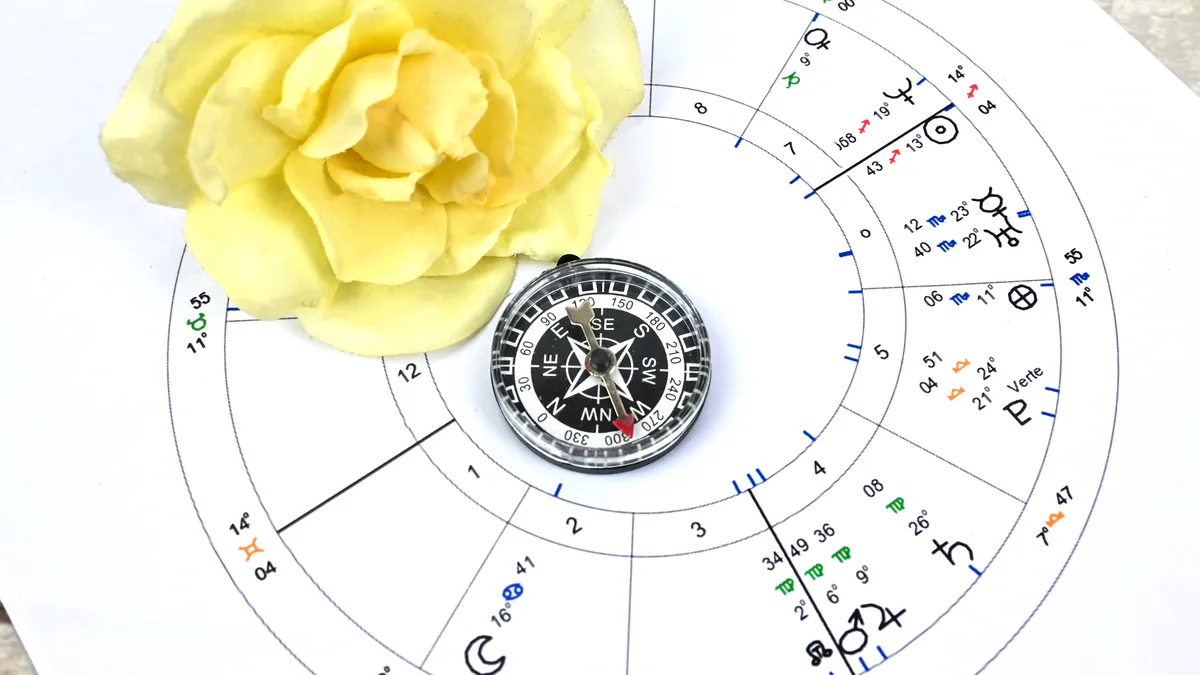 ## How Is a Paternal Attachment Pattern Different From a Maternal One?
Paternal and maternal patterns often involve different needs. A paternal pattern, read through Saturn and the Sun, tends to touch competence, achievement, and the fear of not measuring up. A maternal pattern, read through the Moon, tends to touch safety, nurture, and the fear of not being enough simply to be held.
Both can produce similar outer behavior, like overworking or people-pleasing. The inner question differs. One asks "am I capable," the other asks "am I safe." Reading a full chart, rather than one placement alone, usually clarifies which question is driving a given pattern. The [birth chart reading guide](/patterns/birth-chart-reading-explained) walks through how these placements interact across a whole chart, not in isolation.
## How Does This Connect to the Inner Child and Abandonment Patterns?
An inner child wound describes the unmet needs of the child self, still active beneath adult behavior. This paternal pattern is often one specific branch of that larger inner child wound, tied specifically to the father relationship rather than the whole of early life.
An abandonment wound, meanwhile, can form whether a father was physically gone or simply emotionally distant while present. The nervous system does not always distinguish between the two. Both can produce the same fear: that closeness will end the moment it starts to matter.
These threads often tangle with attachment style, the patterned way a person seeks or avoids closeness based on early bonds. The [attachment style quiz guide](/patterns/attachment-style-quiz-explained) is one way to see how this pattern might show up specifically in adult relationships, not just in theory.
## How Is a Paternal Attachment Pattern Different From a Maternal One?
Paternal and maternal patterns often involve different needs. A paternal pattern, read through Saturn and the Sun, tends to touch competence, achievement, and the fear of not measuring up. A maternal pattern, read through the Moon, tends to touch safety, nurture, and the fear of not being enough simply to be held.
Both can produce similar outer behavior, like overworking or people-pleasing. The inner question differs. One asks "am I capable," the other asks "am I safe." Reading a full chart, rather than one placement alone, usually clarifies which question is driving a given pattern. The [birth chart reading guide](/patterns/birth-chart-reading-explained) walks through how these placements interact across a whole chart, not in isolation.
## How Does This Connect to the Inner Child and Abandonment Patterns?
An inner child wound describes the unmet needs of the child self, still active beneath adult behavior. This paternal pattern is often one specific branch of that larger inner child wound, tied specifically to the father relationship rather than the whole of early life.
An abandonment wound, meanwhile, can form whether a father was physically gone or simply emotionally distant while present. The nervous system does not always distinguish between the two. Both can produce the same fear: that closeness will end the moment it starts to matter.
These threads often tangle with attachment style, the patterned way a person seeks or avoids closeness based on early bonds. The [attachment style quiz guide](/patterns/attachment-style-quiz-explained) is one way to see how this pattern might show up specifically in adult relationships, not just in theory.
 ## When Do These Patterns Resurface in Adulthood?
Certain transits, meaning the current movement of planets against a birth chart, tend to stir up paternal themes more than others. Saturn's return to its natal position, happening around age 27 to 30, often brings a reckoning with authority and structure, including the father relationship. A Saturn square to natal Saturn, which happens around ages 7, 14, 21, 36, 43, and 50, can do something similar on a smaller scale.
2027 holds a few windows worth noting for anyone already doing this work, based on verified planetary movements from [astro.com](https://www.astro.com/). These are not fated events. They are periods when the themes already present in a chart tend to feel louder.
## When Do These Patterns Resurface in Adulthood?
Certain transits, meaning the current movement of planets against a birth chart, tend to stir up paternal themes more than others. Saturn's return to its natal position, happening around age 27 to 30, often brings a reckoning with authority and structure, including the father relationship. A Saturn square to natal Saturn, which happens around ages 7, 14, 21, 36, 43, and 50, can do something similar on a smaller scale.
2027 holds a few windows worth noting for anyone already doing this work, based on verified planetary movements from [astro.com](https://www.astro.com/). These are not fated events. They are periods when the themes already present in a chart tend to feel louder.